I am San
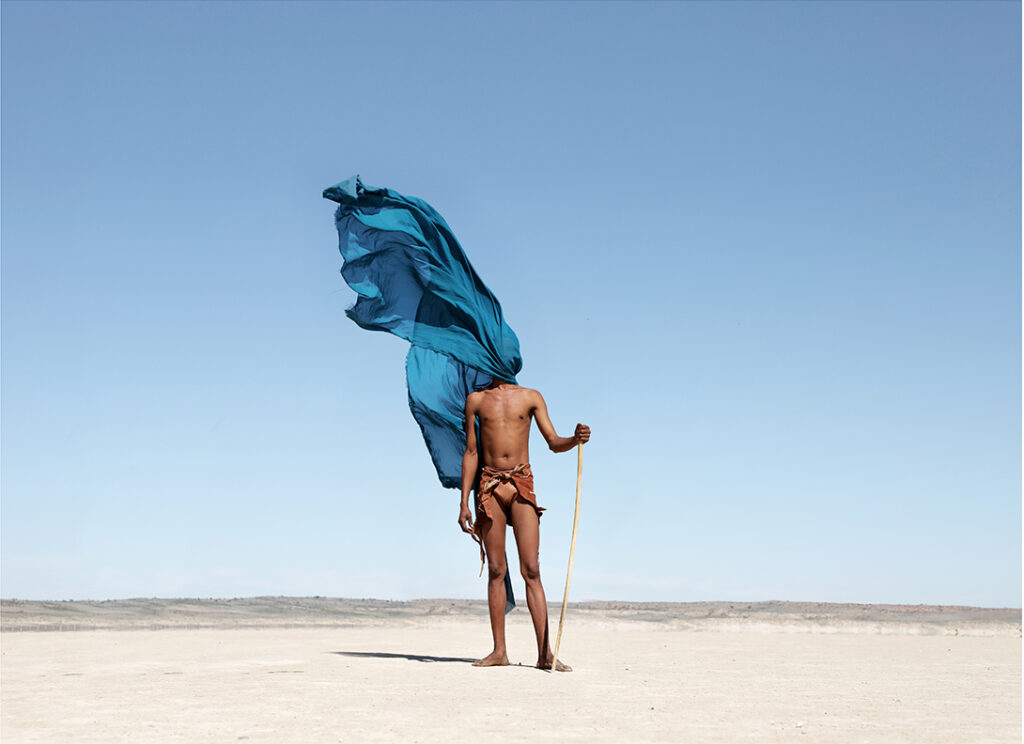
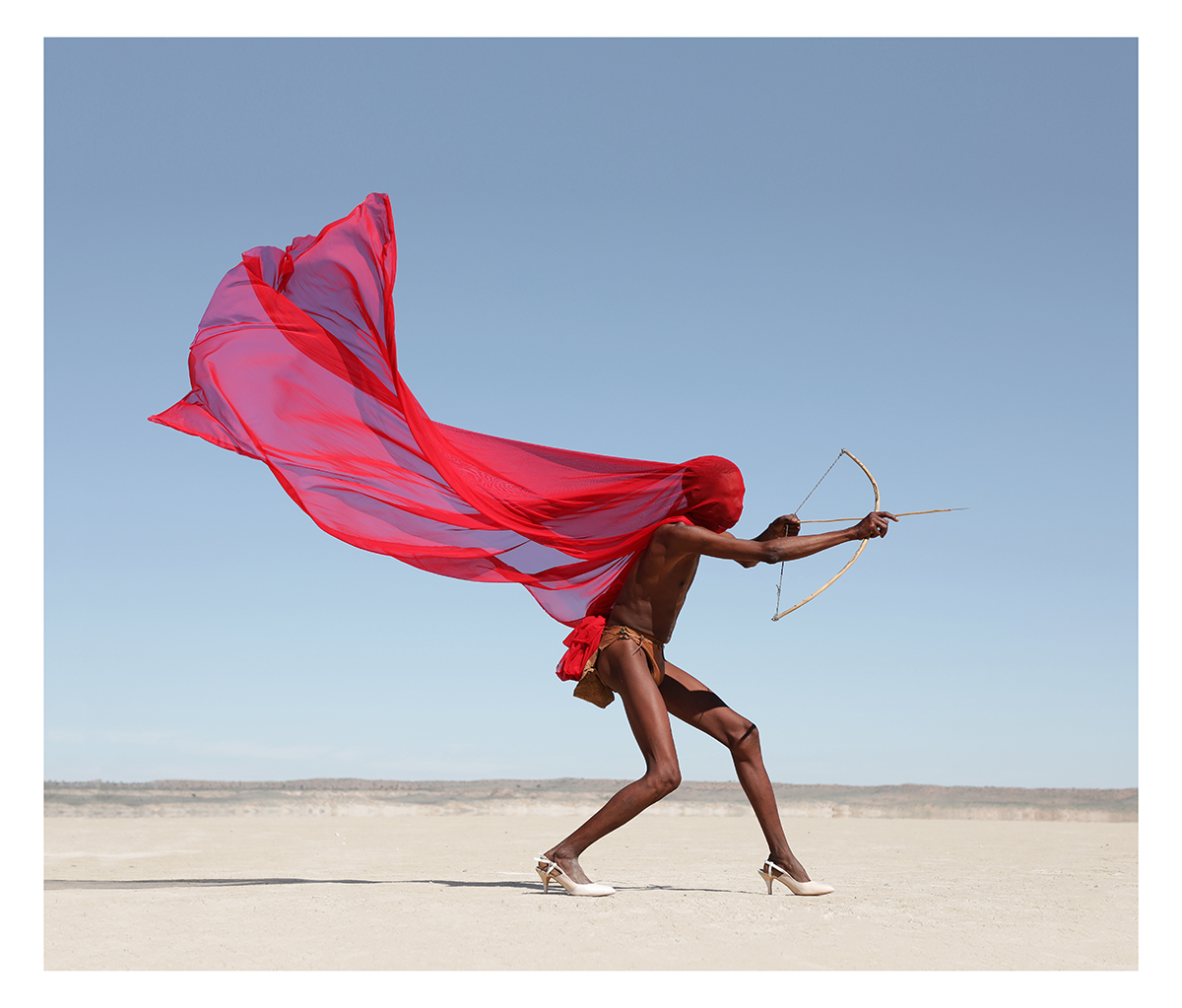
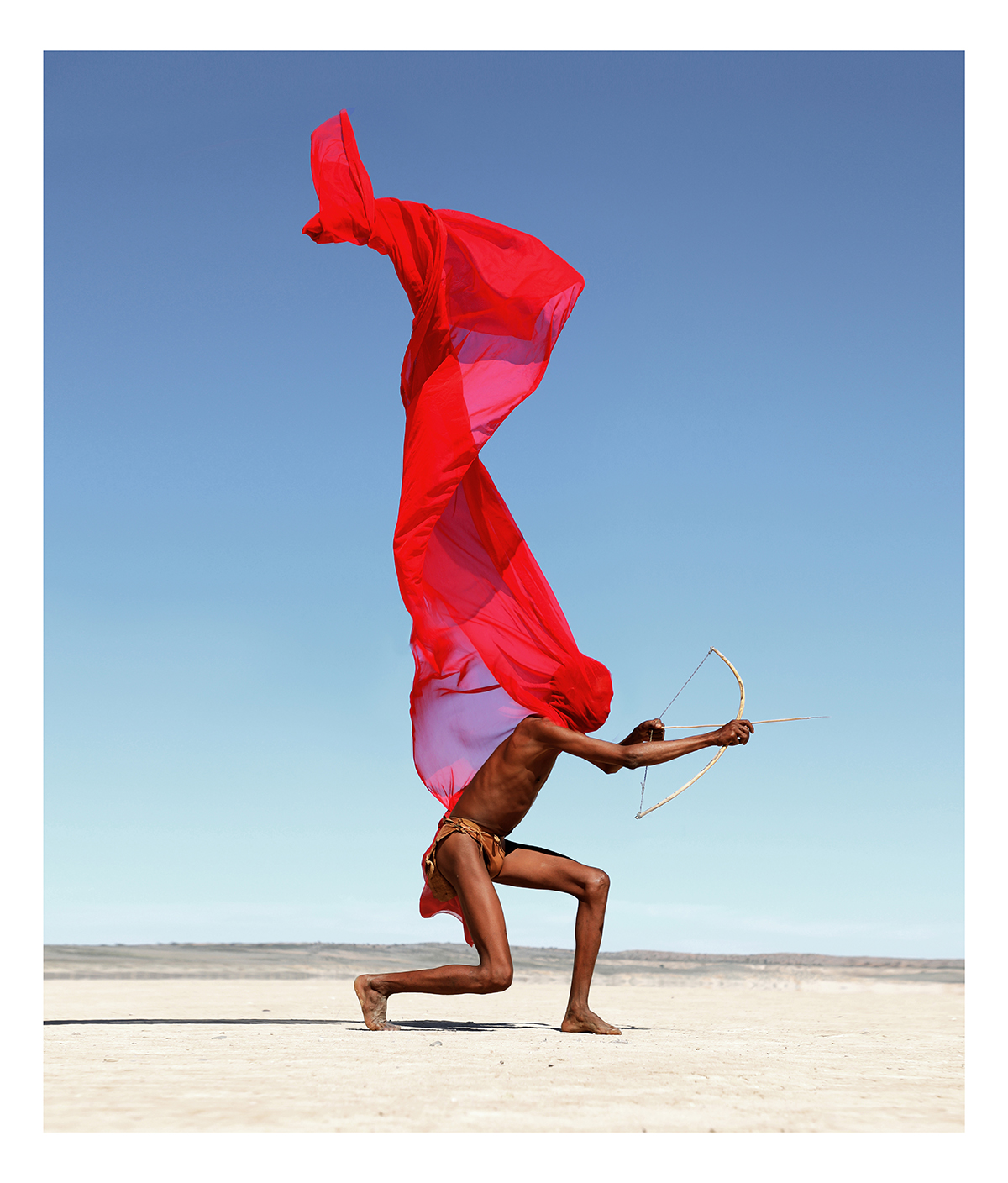
There is a stillness in these images that feel older than the act of photography itself — as if the lens has stepped into a conversation already in progress, one that began long before the shutter, and will continue long after us.
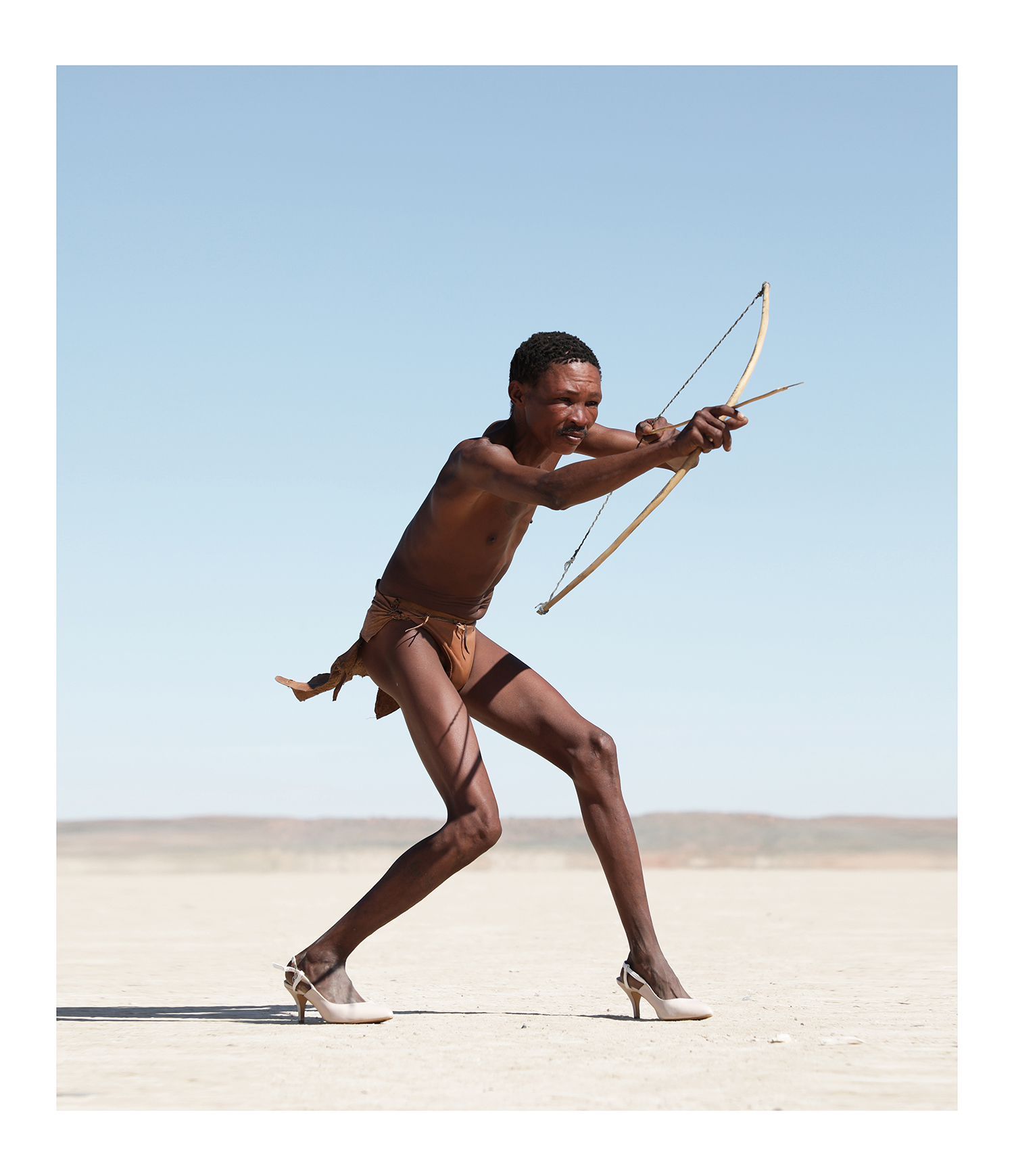
Willman’s creations do not present a subject so much as a presence. A human figure, but also something elemental — like wind given shape. The posture is unguarded, yet sovereign. You are not invited to observe; you are required to acknowledge. It recalls the enduring visual language of San rock art — elongated, rhythmic, deeply intentional — where the body is not merely depicted but translated into spirit.
These works shift silence. Here, the gaze — whether direct or withheld — becomes the axis of the work. There is a tension between intimacy and distance, as though the photograph understands that seeing is not the same as knowing. Light does not illuminate so much as reveal in fragments: skin, texture, the trace of movement. You begin to feel that what is being documented is not a person alone, but a continuity — a lineage that resists simplification.
Each frame holds more than a figure; it holds time. Not historical time but lived time — the kind that gathers in the body, in gesture, in stillness. There is a quiet defiance here, not loud or performative, but deeply rooted. It asks: who gets to define what is “ancient,” and who decides what is “modern”?
Together, these works do not function as portraits in the conventional sense. They are encounters. They dissolve the comfortable distance between viewer and subject, replacing it with something far more demanding: recognition.